Neural Pathways
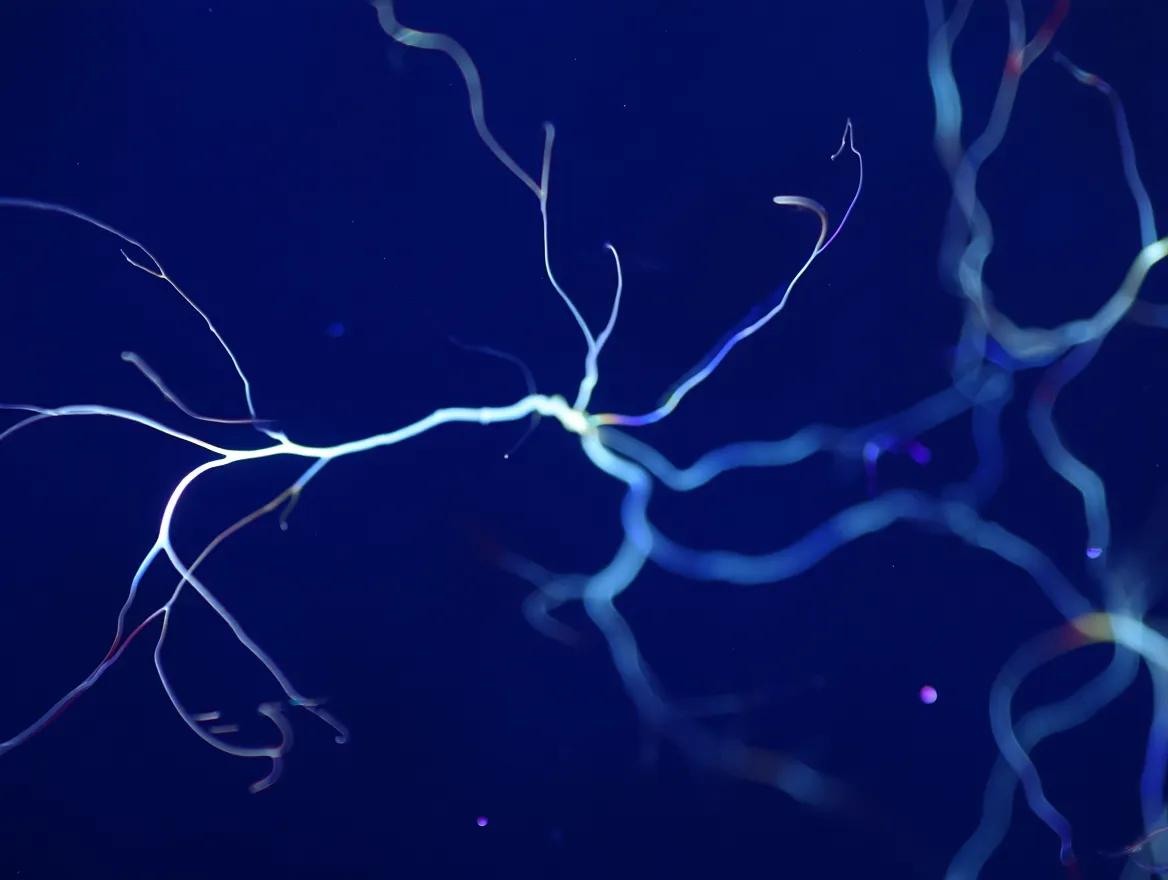
The insular cortex plays a central role in processing interoceptive signals, integrating bodily sensations with conscious awareness to create a sense of our current state.
Understanding the cognitive and physiological foundations of fatigue recognition through current research in self-observation and interoception.
Interoception refers to the perception of internal bodily signals. This fundamental capacity underlies our ability to recognize states like fatigue, hunger, and emotional changes.
The insular cortex plays a central role in processing interoceptive signals, integrating bodily sensations with conscious awareness to create a sense of our current state.
Research suggests that individuals with greater interoceptive accuracy tend to have more nuanced emotional awareness and better self-regulation capacities.
Studies indicate that interoceptive sensitivity can be enhanced through focused attention practices and structured self-observation over time.
People naturally vary in their interoceptive abilities, which explains why some individuals notice subtle changes earlier than others.
Cognitive research provides insights into the mechanisms through which fatigue influences attention, decision-making, and overall mental performance.
As cognitive resources become depleted, the brain prioritizes essential functions, leading to measurable changes in attention allocation and task performance that can serve as observable indicators.
Research shows that reaction times and information processing speeds change subtly as fatigue develops, often before individuals consciously recognize feeling tired.
Complex decision-making and cognitive flexibility are among the first capacities affected by accumulating fatigue, providing early signals for those practicing observation.
Understanding how cognitive functions recover after rest periods informs practical approaches to recognizing when and how to adjust activity levels.
Contemporary research on mindfulness and attention training provides evidence that deliberate observation practices can enhance our capacity to notice subtle internal changes.
Studies examining attentional training programs suggest that regular practice may improve the accuracy and timeliness of self-perception. This research informs structured approaches to fatigue awareness that emphasize consistency over intensity.
The key insight from this body of research is that awareness itself is a skill that develops gradually through repeated, focused engagement rather than occasional effort.
Important insights from scientific literature that inform practical approaches to fatigue awareness.
Self-observation skills develop incrementally with consistent practice over weeks and months.
Each person has unique fatigue signatures; personal observation is essential for recognition.
Recognizing early signals provides more options for adjustment than late-stage fatigue awareness.
Environmental and situational factors influence both fatigue development and our ability to detect it.
All materials and practices presented are educational and informational in nature and are aimed at supporting general well-being. They are not medical diagnosis, treatment, or recommendation. Before applying any practice, especially if you have chronic conditions, consult with a healthcare professional.